


Product Overview
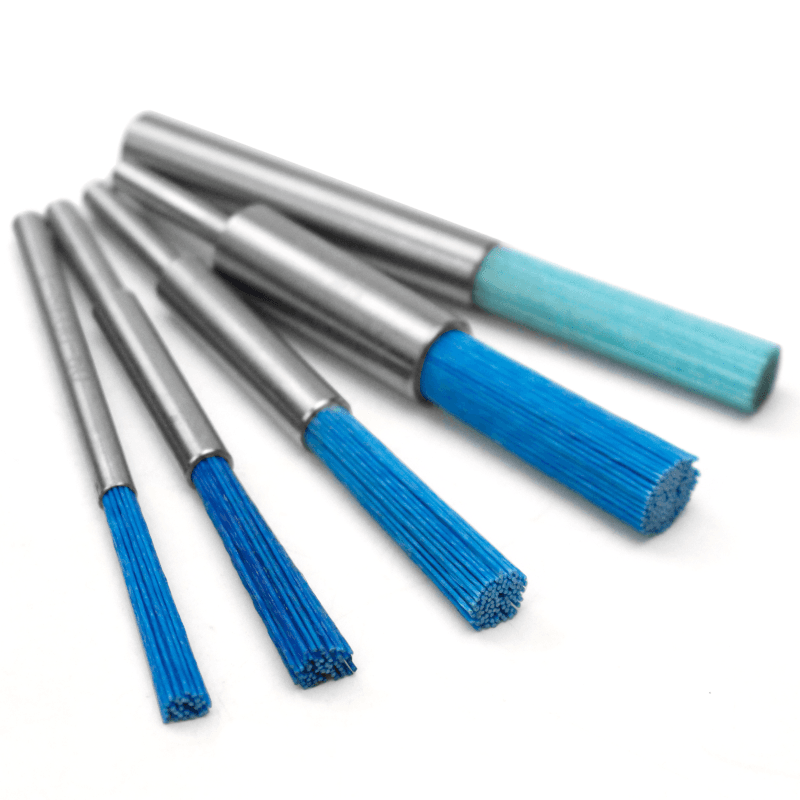
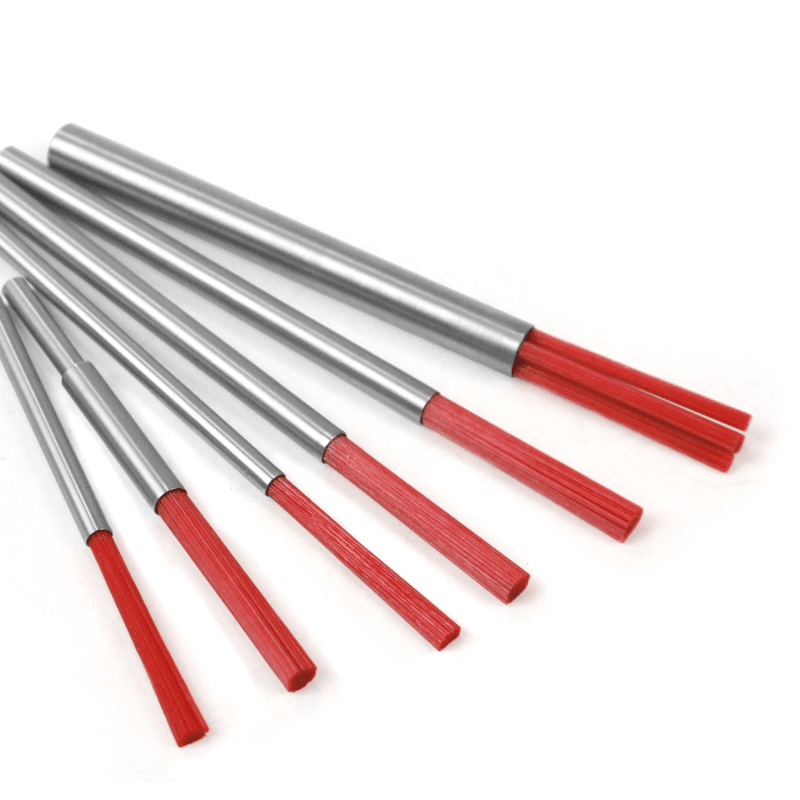
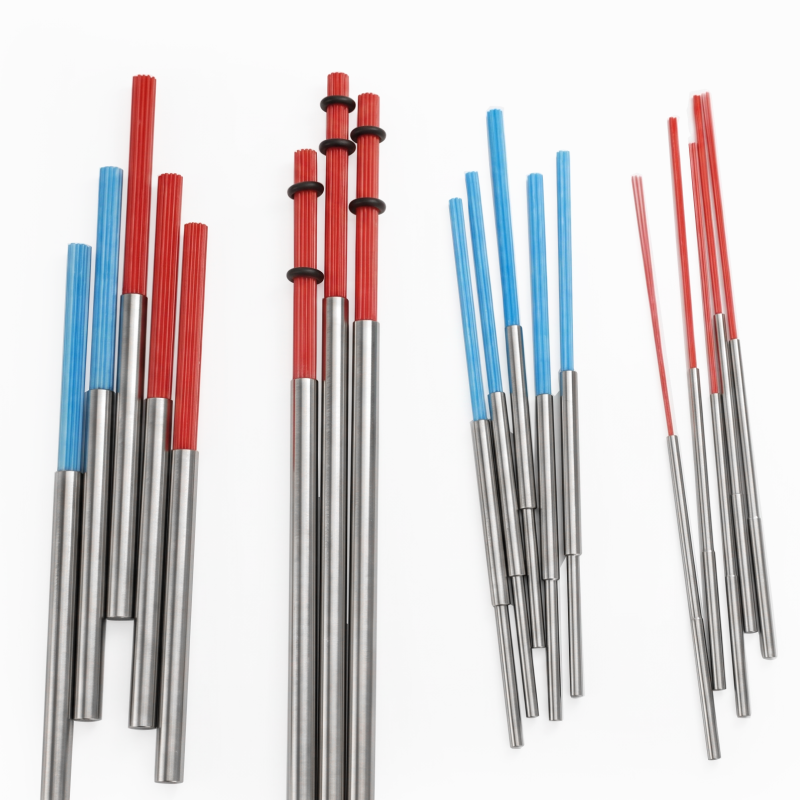
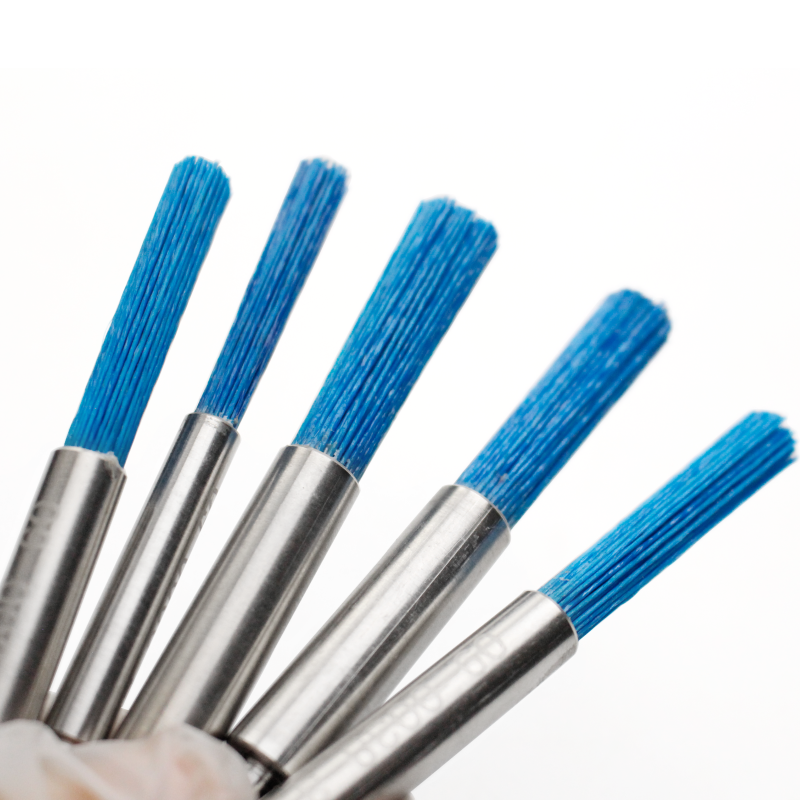
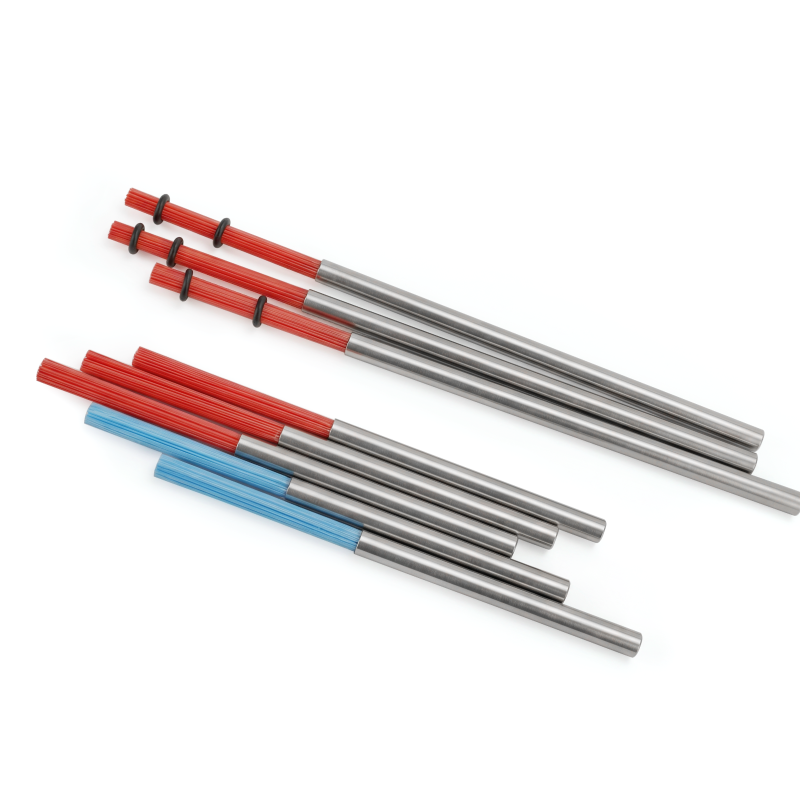
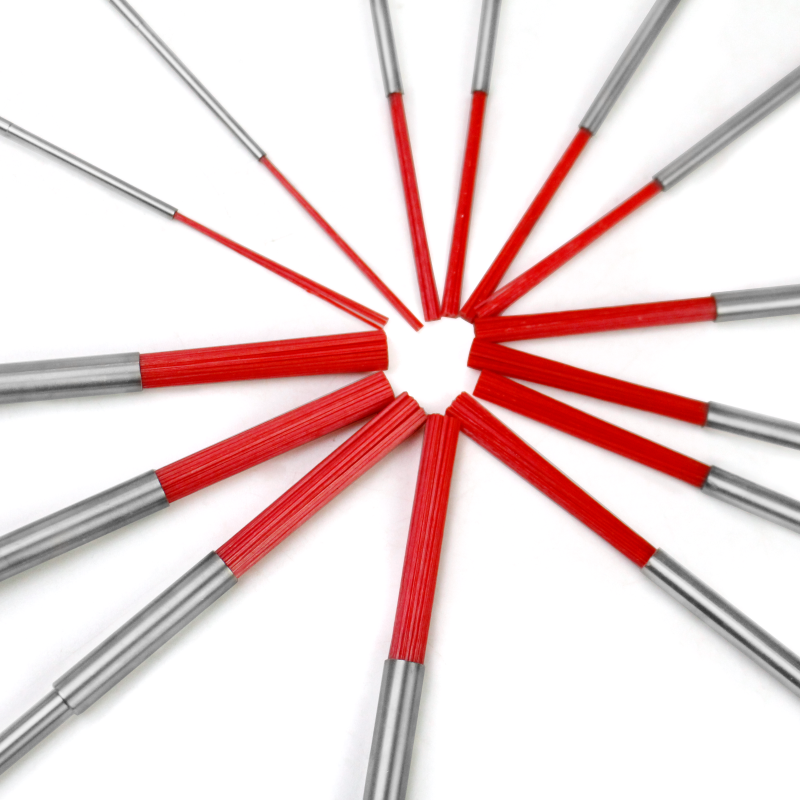
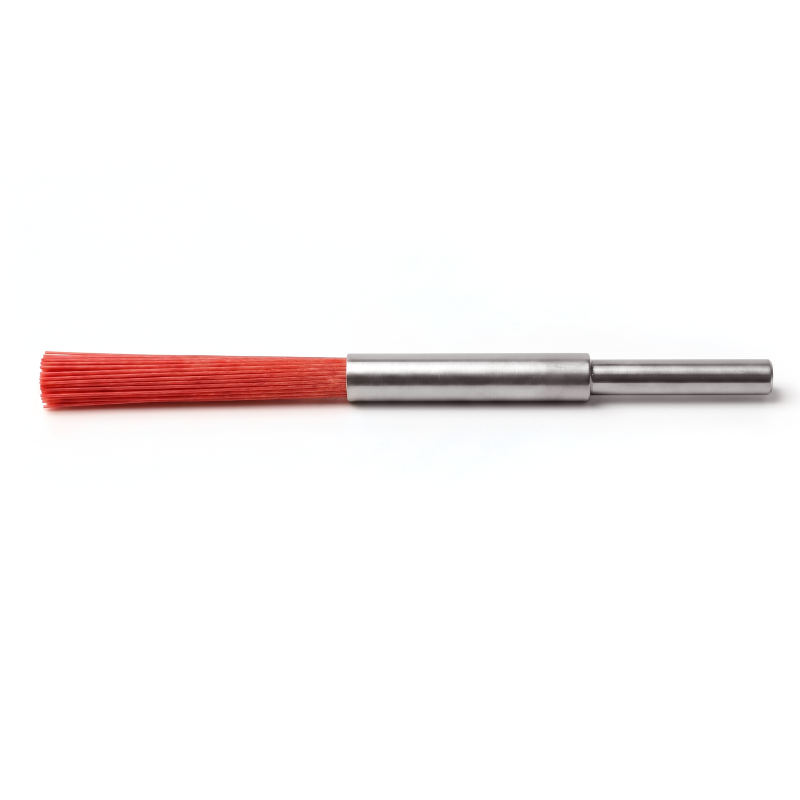
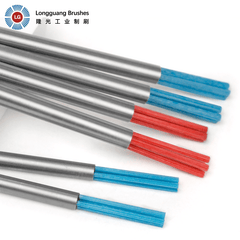
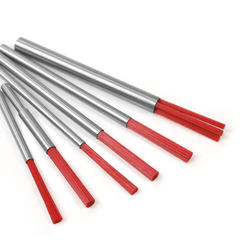
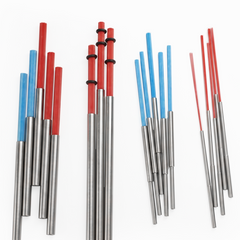
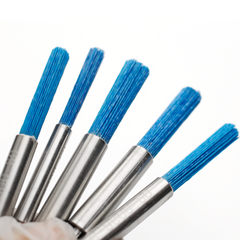
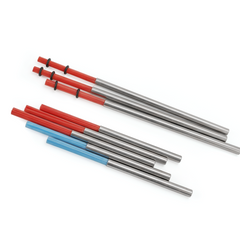
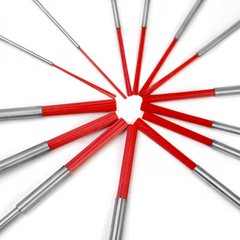
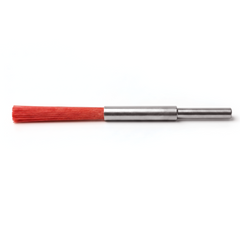
Our ceramic fiber end brush is manufactured from ceramic fiber (blue) and engineered for precision deburring, with key advantages including superior self-sharpening, zero deformation and exceptional heat resistance.
Also known as custom ceramic fiber end brush, industrial end brush or end brush for precision deburring.
Specifications and Custom Sizes
Custom Ceramic Fiber End Brush Sizes and Grits
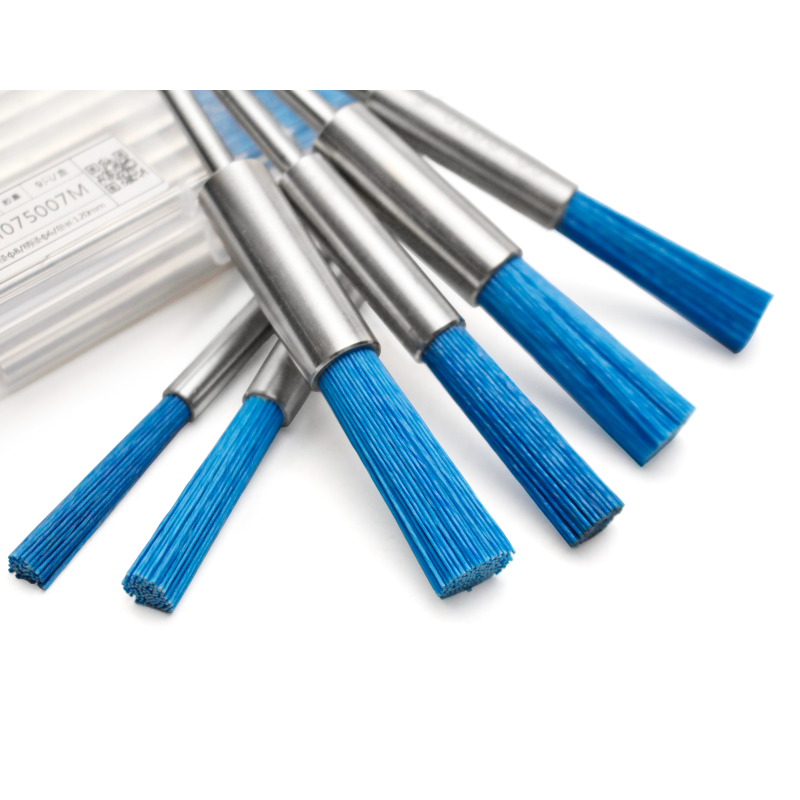
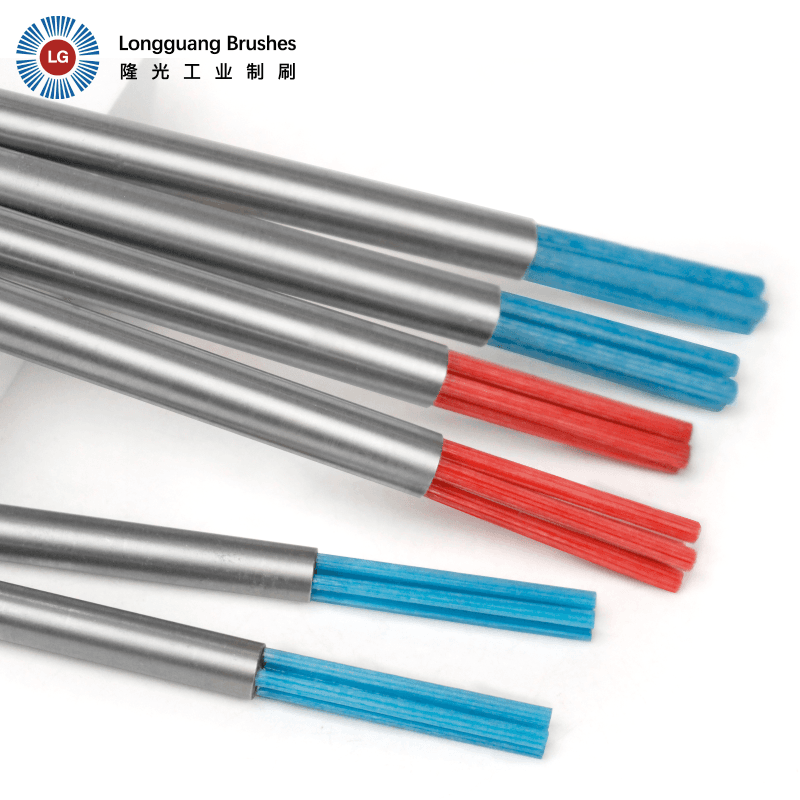
Customizable according to customer requirements – brush diameter, trim length, and shank size fully tailored to match specific bore sizes and workpiece geometries.
Reference Drawing:

Standard Series:
| Diameter A | Bristle B | Shaft C | Shaft D | Total E | Item No. |
|---|---|---|---|---|---|
| PM Fiber | |||||
| 1.5 | 50 | 3 | 2.5 | 120 | BM075001.5M |
| 3 | 50 | 3 | 4 | 120 | BM075003M |
| 3 | 50 | 4 | 4 | 170 | BM075003L |
| 5 | 50 | 6 | 6 | 120 | BM075005M |
| 5 | 50 | 6 | 6 | 170 | BM075005L |
| 7 | 50 | 6 | 8 | 120 | BM075007M |
| 7 | 50 | 8 | 8 | 170 | BM075007L |
| 11 | 50 | 12 | 12 | 120 | BM075011M |
| 11 | 50 | 12 | 12 | 170 | BM075011L |
Material Composition
This brush is built from 2 material groups – the thousands of continuous sintered ceramic micro-fibers and steel shank for secure mounting in:
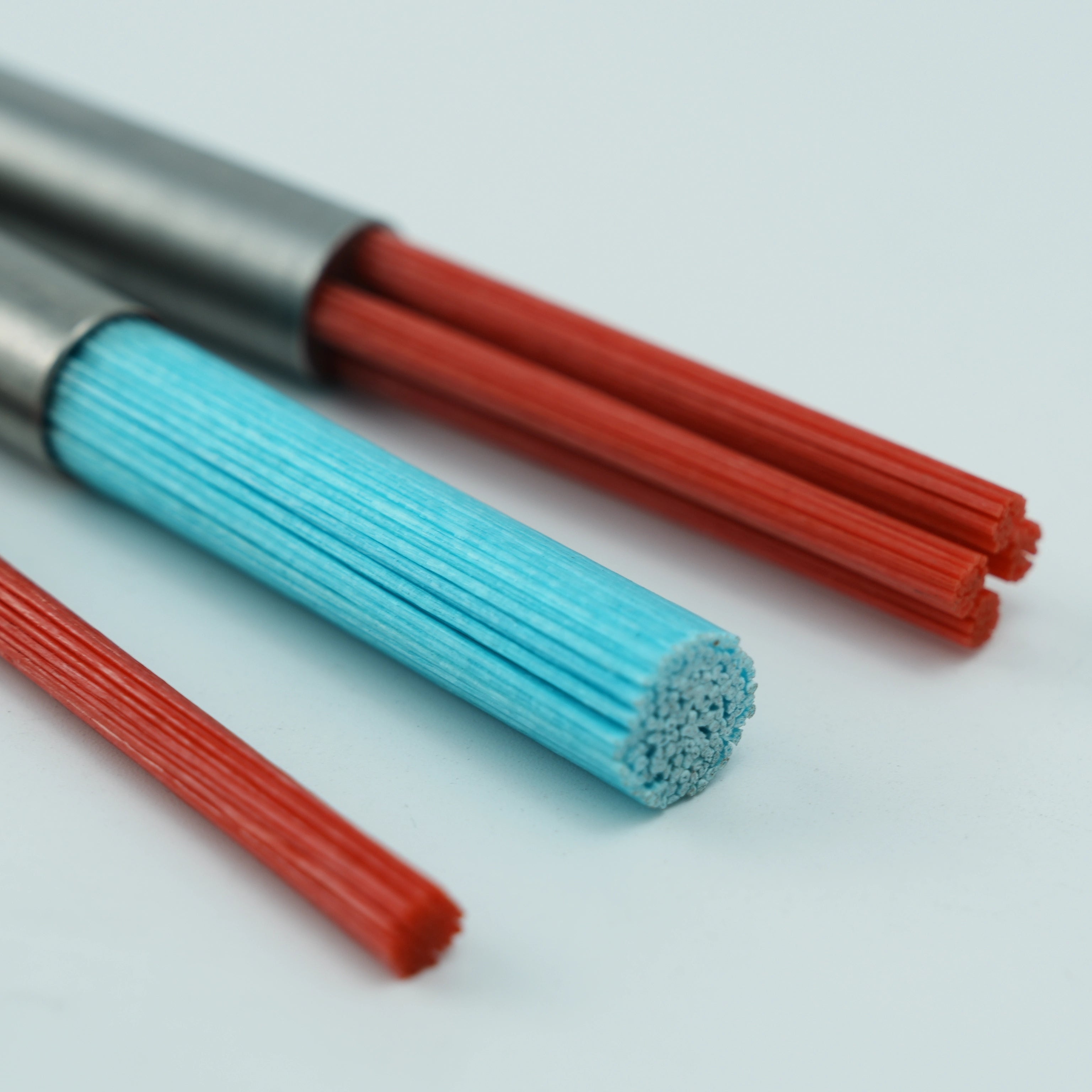
- Filament Material: Thousands of continuous sintered ceramic micro-fibers – pure ceramic fiber integrated structure without nylon base; each bristle consists of 500-1,000 ceramic fibers that act as cutting edges
- Shank Material: Steel shank for secure mounting in CNC machining centers, drill presses, and automated equipment
Features and Applications
Ceramic Fiber End Brush Specifications
Our Ceramic Fiber End Brush features a pure ceramic fiber integrated structure formed by thousands of continuous sintered ceramic micro-fibers pressed into a rod-style end brush. This innovative design eliminates the nylon base found in conventional abrasive brushes, delivering performance that rivals and often exceeds industry-leading XEBEC ceramic fiber brushes .
- Superior Self-Sharpening – ceramic fibers continuously expose new cutting edges during operation, maintaining constant cutting force throughout the entire brush life
- Zero Deformation – extreme filament rigidity prevents flaring or spreading even at high RPMs; maintains straight shape after continuous use
- Exceptional Heat Resistance – withstands temperatures up to 150°C; outperforms nylon abrasives in high-speed applications
- Zero Contamination – no metallic debris, no Foreign Object Debris (FOD) risk; safe for precision assemblies and critical components
- Consistent Cutting Power – grinding power approximately 80% ceramic fiber content vs. 20-30% in nylon brushes
- End-Face Configuration – precision flat end face for accurate edge work and controlled material removal
- Superior Service Life – significantly outlasts all nylon abrasive brush types
Limitations:
Highest cost among all abrasive brush types. Cannot handle thick weld slag, heavy oxidation, or large casting flash. Engineered exclusively for precision micro-finishing, cutter mark removal, and microscopic deburring.
End Brush for Precision Deburring
- Cross Hole / Intersecting Hole Deburring – ultimate deburring of oil passages, cross holes, and intersecting bores in hydraulic valve blocks and manifold systems (core flagship application)
- Hard Alloy and Superalloy Finishing – precision finishing of hardened steels, Inconel, Hastelloy, Titanium, and heat-treated alloys (unique strength)
- New Energy Vehicle High-Precision Die-Castings – finishing of aluminum housings, battery components, and EV structural parts
- 3C Electronics High-End Metal Components – precision finishing of premium electronic device housings and aesthetic metal parts
- Precision Mold and Die Maintenance – finishing and polishing of injection molds, die-casting molds, and complex cavity surfaces
- Medical Device Stainless Steel Components – precision surface treatment of surgical instruments and implantable devices
- CNC Automated Batch Processing – designed for integrated automation on machining centers, CNC lathes, and robotic cells
- Surface Roughness Improvement – final polishing and surface refinement to achieve superior Ra values
Performance Comparison:
| Feature | Ceramic Fiber (This Product) | Abrasive Nylon Brush | Steel Wire Brush |
|---|---|---|---|
| Cutting mechanism | Ceramic micro-fibers | Embedded grit | Wire tips |
| Cutting consistency | Constant through life | Declines with use | Variable |
| Deformation resistance | None (maintains shape) | Moderate | High |
| Heat resistance | Excellent (150°C) | Moderate | High |
| FOD/contamination risk | None | Low | High (wire breakage) |
| Service life | Longest | Moderate | Moderate |
| Best for | Precision finishing, superalloys | General deburring | Heavy material removal |
Frequently Asked Questions (FAQ)
Q1: What is the difference between ceramic fiber brushes and abrasive nylon brushes?
Ceramic fiber brushes use pure ceramic micro-fibers (500-1,000 per bristle) that act as cutting edges . Nylon brushes rely on embedded grit particles. Ceramic fiber provides approximately 80% abrasive content vs. 20-30% in nylon, delivering superior grinding power, consistent performance, and zero deformation .
Q2: Can this brush be used on hardened steel and superalloys?
Yes, ceramic fiber brushes are specifically engineered for hard alloys, superalloys, and heat-treated materials including Inconel, Hastelloy, Titanium, and hardened tool steels up to HRC 52 . The self-sharpening ceramic fibers maintain cutting effectiveness on materials that quickly dull conventional abrasives.
Q3: What is the advantage of ceramic fiber for cross-hole deburring?
Ceramic fiber brushes maintain their shape without deformation, allowing them to effectively reach and deburr intersecting hole edges in hydraulic valve blocks and manifold systems . The rigid fibers provide consistent contact pressure at the intersection point, completely removing burrs without damaging the surrounding bore.
Q4: What is the recommended operating speed and technique?
For optimal performance, ceramic fiber brushes should be operated at recommended speeds based on brush diameter. The rigid ceramic fibers maintain their shape without flaring at high RPMs . When deburring cross holes, the centrifugal force during rotation allows the brush to expand and effectively contact intersecting bore edges . Always start at lower speeds and increase gradually.
Q5: Is the higher cost of ceramic fiber brushes justified?
Yes. While ceramic fiber brushes have the highest initial cost among abrasive brush types, they deliver significantly longer service life, consistent cutting performance throughout the brush life, and zero deformation . In high-volume CNC production and precision finishing applications, the reduced tool change frequency and consistent results provide lower cost per part and improved process reliability.
Ready to Elevate Your Precision Deburring and Finishing Operations?
Our ceramic fiber end brushes are engineered for the most demanding precision finishing applications. Available with customizable diameters, trim lengths, and shank configurations to match your specific cross-hole deburring, superalloy finishing, and high-precision surface treatment requirements.
Contact us for technical recommendations, custom sizing, and bulk order quotes. Provide your application details, workpiece material, and equipment specifications for a prompt engineering review.
Browse our full Ceramic Fiber Brush Series for additional precision finishing solutions, or explore our End Brush Series for other deburring and finishing requirements.
Related Categories
- Choosing a selection results in a full page refresh.